
Dr. Rachel J.C. Fu, Chair & Professor of Dept. of Tourism, Hospitality and Event | Director of the Eric Friedheim Tourism Institute at the University of Florida
“The future of hospitality doesn’t belong to those who build more. It belongs to those who mean more.” by Dr. R. Fu
There was a time, not that long ago, when hospitality was beautifully simple. A hotel sold a clean room, a comfortable bed, and maybe a decent breakfast. Airlines sold a seat from point A to point B. Restaurants sold food. The transaction was clear, efficient, and predictable. That era is over.
Today, hospitality is no longer about what you sell. It’s about what people feel, remember, and share. The industry has decisively shifted from product to experience, from service delivery to storytelling. Those who fail to recognize this shift aren’t just behind. They’re becoming irrelevant. If you’re still competing on room size, thread count, or location alone, you’re playing a game that’s already been rewritten.
The Rise of the “Destination Hotel”
Hotels are no longer just places to stay. They are places to go. The most successful properties today function as micro-destinations, carefully designed ecosystems where architecture, culture, food, and programming intersect. Guests don’t just check in. Your guests step into a narrative. Design is no longer aesthetic decoration; it’s strategic storytelling.
A coastal resort doesn’t just offer ocean views; it embeds local materials, regional art, and cultural references into every corner. An urban boutique hotel doesn’t just provide convenience; it curates a lifestyle identity that aligns with its guests’ aspirations.
Modern travelers are not passive consumers. They are active participants in experiences they want to understand, personalize, and broadcast. A hotel lobby used to be a waiting area. Now it’s a social hub, a co-working space, a gallery, and a stage.
Hospitality Meets Retail: The Blurring of Boundaries
One of the most telling signals of this transformation is the growing fusion of retail and hospitality. “Shoppable” hotel rooms, once a novelty, are now a strategic move. Guests can purchase the bedding they slept in, the chair they lounged on, even the scent that defined the zone. This isn’t just about additional revenue streams; it’s about extending the experience beyond the stay.
Retail in hospitality is no longer transactional. It is experiential. It allows guests to own a memory, not just remember it. Our emotional connection drives loyalty. That’s a powerful differentiator. Hospitality, retail, entertainment, and even education are increasingly intertwined. The most innovative operators aren’t asking, “What business are we in?” They’re asking, “What experience are we creating?”
Food & Beverage: From Amenity to Identity
If there’s one area where the shift from product to experience is most visible, it’s food and beverage. Once treated as a supporting function, F&B has become a central pillar of brand identity. In many cases, it is the brand. Hotels are now built around signature restaurants, chef collaborations, and immersive dining concepts. Guests may book a stay because of the culinary reputation alone. Locals, who once avoided hotel dining, now seek it out. Why this shift? Food is inherently experiential. It engages all the senses. It tells stories about culture, place, and people. A remarkable meal becomes a lasting narrative.
Authenticity matters. Guests can spot a generic, “designed-by-committee” concept from a mile away. Travelers don’t want a polished imitation of culture. They want the real thing, or at least a sincere interpretation.
The Economics of Experience
The shift toward experience-driven hospitality is grounded in hard economics. Experiences command higher perceived value. They justify premium pricing. They drive social media exposure, which in turn fuels organic demand. More importantly, they create emotional loyalty.
A guest may forget a standard hotel room within days. But they remember the rooftop concert they attended, the chef’s table they experienced, the local artisan workshop they joined. These moments become stories, and stories are what people share. In an era where attention is currency, shareability is a business model.
The Role of Technology (and Its Limits)
Technology, particularly AI, has accelerated this shift by enabling hyper-personalization. Guests can now receive tailored recommendations, customized itineraries, and seamless service interactions. Technology alone does not create experience. It enhances it. It supports it. It scales it. The core of hospitality storytelling remains deeply human: emotion, connection, and meaning. A perfectly optimized check-in process is efficient, but it’s not memorable. A genuine, thoughtfully crafted experience is. The winners in this space understand that technology is the engine, not the destination.
There’s a fine line between creating an immersive environment and overwhelming the guest. The most effective experiences leave room for discovery, spontaneity, and personal interpretation. In the past, a warm welcome and attentive service were enough. Today, those are baseline expectations. The real differentiator is how well a brand can craft and deliver a cohesive, meaningful story. That story must be lived not just told.
The New Competitive Reality
If your offering is just a room, a seat, or a meal: you’re competing on price.
If your offering is an experience: you’re competing on value.
Value, when done right, always wins.
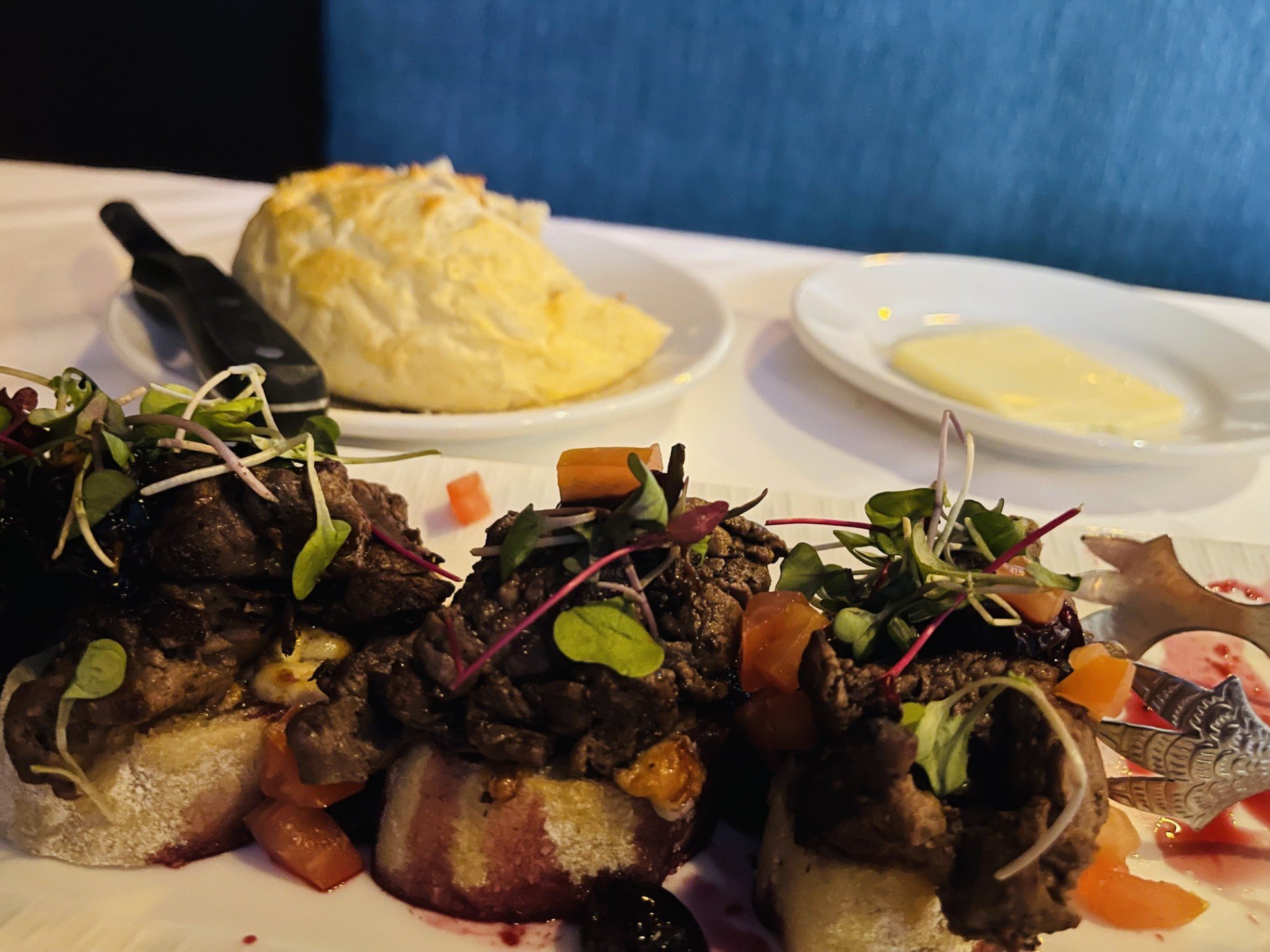
{Image Credit: Dr. Rachel J.C. Fu} a dinner dish
