
Dr. Rachel J.C. Fu, Chair & Professor of Dept. of Tourism, Hospitality and Event | Director of the Eric Friedheim Tourism Institute at the University of Florida
“People Come for the Goals, but They Remember the People. Sometimes it takes visitors to remind us that ordinary things are extraordinary.” – by Dr. Rachel J.C. Fu
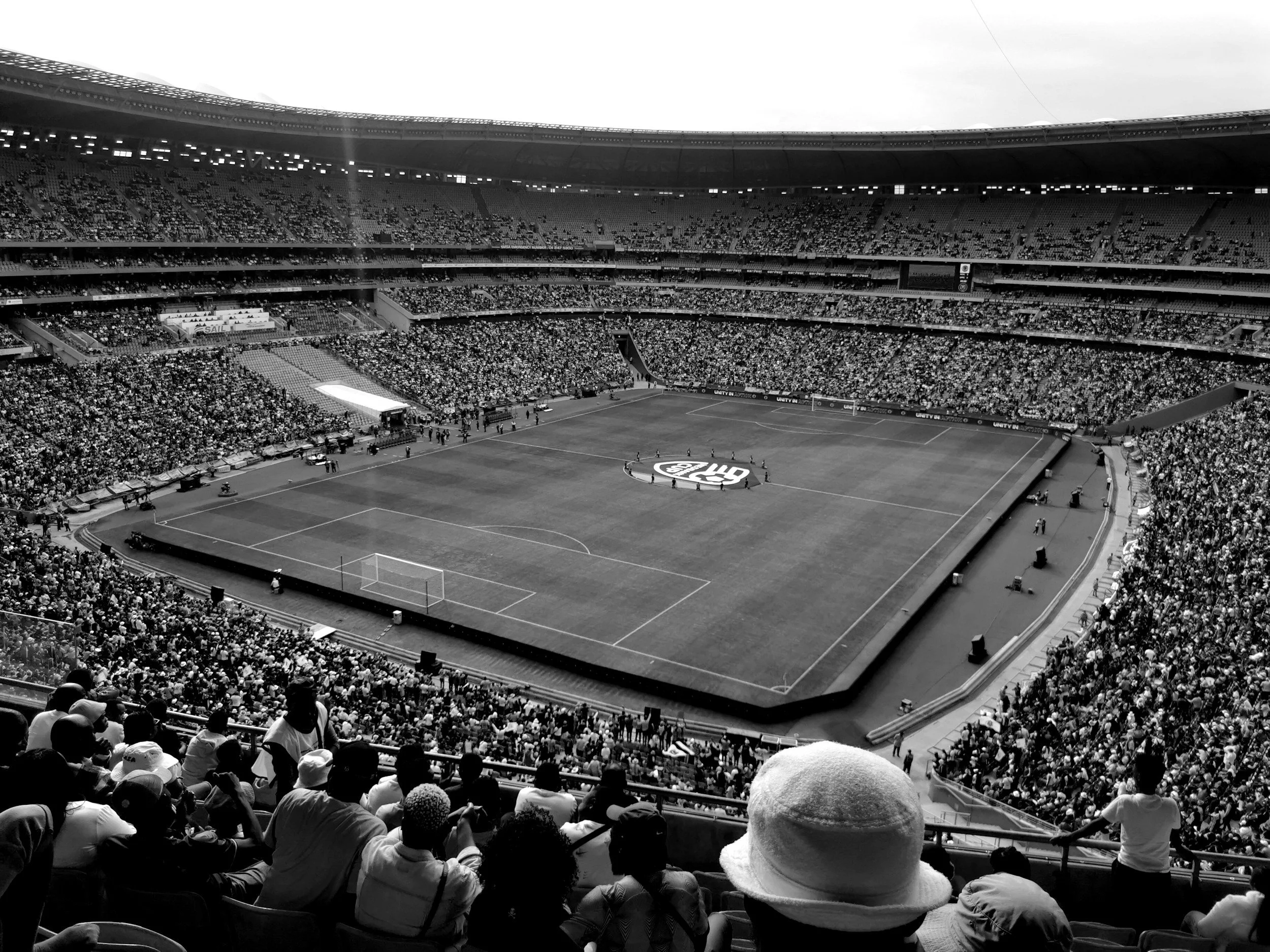
As the world gathers for the FIFA World Cup, millions of international visitors are discovering America not only through stadiums and sporting events, but through everyday experiences. Their reactions, many of which have gone viral on social media, have become an unexpected reminder of something profound: what Americans often take for granted may be extraordinary through the eyes of others.
Visitors from Scotland, Brazil, Japan, and dozens of other nations have enthusiastically shared videos celebrating giant supermarkets, self-serve beverage stations, ice dispensers, Buc-ee's, Bass Pro Shops, and even conversations with friendly strangers. To Americans, these experiences may seem routine. To international guests, they are memorable cultural discoveries.
These stories reveal an important lesson for destinations and communities everywhere. Travelers do not simply consume attractions. They experience daily life. As tourism researchers have long recognized, visitors remember much more than landmarks. They remember people.
Rediscovering America Through Fresh Eyes
Human beings naturally adapt to their surroundings. Air conditioning, abundant food choices, customer service, safe roads, clean facilities, and the convenience of modern life gradually become expectations rather than blessings. Over time, familiarity often causes appreciation to fade.
The excitement expressed by World Cup visitors does not mean America has suddenly changed. Rather, their perspective is fresh. Sometimes gratitude is not about acquiring something new. It is about rediscovering what has been present all along.
In tourism research, this phenomenon resembles what many scholars describe as the "mirror effect." Visitors frequently recognize strengths that local residents no longer notice. Their experiences remind communities that hospitality, kindness, optimism, and authenticity remain among the most valuable assets a destination possesses.
These viral videos are not really about gas stations or oversized grocery stores. They are about human experiences and emotional connections.
People Remember People More Than Places
Visitors may forget the score of a soccer match, but they often remember the Uber driver who recommended a favorite barbecue restaurant, the volunteer who offered directions, the hotel associate who welcomed them warmly, or the stranger who simply said, "Welcome to America." In tourism, memories are built one smile at a time. As I often remind students and industry leaders:
"People come for the goals, but they remember the people. A World Cup match lasts ninety minutes, but a smile from a local, a first visit to an American grocery store, or a shared meal with new friends can become memories that last a lifetime. In tourism, ordinary moments often create extraordinary stories."
Every resident becomes an ambassador during a mega-event. Hospitality extends far beyond hotels and restaurants. Police officers, rideshare drivers, volunteers, airport employees, retail associates, and fellow fans all contribute to shaping a destination's reputation. Destinations are remembered not only for what visitors see, but for how visitors feel.
Social Media Has Changed Destination Marketing
In the past, cities relied primarily on advertising campaigns to tell their stories. Today, travelers themselves have become the storytellers. Social media has transformed every visitor into a broadcaster and every experience into a potential digital postcard. At a time when social media often amplifies conflict and negativity, these videos have resonated because joy itself is contagious. People are naturally drawn to authenticity and wonder. It turns out that audiences appreciate stories of kindness, curiosity, and human connection.
Building Reputational Legacy
From a tourism perspective, the World Cup offers much more than short-term economic benefits. It creates opportunities for cultural exchange, friendships, future visitation, and what scholars often describe as a destination's reputational legacy. Destinations, much like individuals, develop personalities. Visitors remember whether a place felt welcoming, safe, authentic, vibrant, and friendly. These emotional impressions collectively become the destination's identity. In many cases, those impressions influence future travel decisions more effectively than traditional advertising campaigns. Today's guests become tomorrow's ambassadors. Their memories generate future demand.
A strong destination image benefits far more than tourism. It attracts conventions, investments, talent, international events, and even future residents. Community pride grows. Businesses flourish. Residents themselves often develop a deeper appreciation for their own culture and traditions.
Reputation Becomes a Renewable Asset.
Beyond economics, the World Cup represents one of the greatest cultural classrooms on Earth. Fans exchange traditions, languages, music, food, and stories. Communities discover that despite different accents and allegiances, people share far more similarities than differences. Soccer rivalries may last ninety minutes. Friendships often last much longer. Stadiums and trophies capture headlines. But kindness, authenticity, and human connections create enduring brands.
A World Cup lasts only a few weeks, but the image and personality formed through those experiences can influence perceptions for decades.
Local kindness is civics in action. True hospitality begins with emotional connections, and emotional connections create happiness. Happiness is contagious. The spirit we share with others often comes back to us. In the end, how we present ourselves to neighbors, visitors, and the world, is a choice. Every interaction becomes an opportunity to reflect the values and character of our communities.
EFTI/THEM in ABC News: World Cup visitors are going viral for their reactions to everyday American life - ABC News
{Image Credit: @SyeMaxx}
