
Dr. Rachel J.C. Fu, Chair and Professor of Dept. of Tourism, Hospitality and Event | Director of the Eric Friedheim Tourism Institute at the University of Florida
“The future of long-term care will no longer be defined solely by medical treatment or custodial care. Instead, it will be characterized by hospitality-inspired experiences, personalized wellness programs, intelligent technologies, and resident-centered service cultures.” – by Dr. R.J.C. Fu
The convergence of artificial intelligence (AI), robotics, hospitality management, healthcare innovation, and wellness science is reshaping the future of senior care and long-term living environments. As populations age worldwide, organizations face challenges related to staffing shortages, healthcare costs, resident expectations, chronic disease management, and quality-of-life enhancement. Seniors entering retirement communities today and over the next three decades will be more technologically savvy, more independent, and more demanding of personalized experiences than previous generations. Senior living communities of the future will resemble luxury resorts, wellness retreats, and smart hospitality ecosystems designed to maximize health, happiness, purpose, growth, and longevity.
From Institutions to Experiences: The Hospitality Transformation
Historically, nursing homes and assisted living facilities were designed primarily to meet healthcare and safety needs. Today's residents expect environments that offer comfort, autonomy, meaningful engagement, and emotional well-being. The hospitality industry provides a powerful model for this transformation. Hotels, resorts, cruise lines, and destination experiences have mastered personalization, customer satisfaction, service excellence, and emotional engagement. Applying these principles to senior living enables organizations to create environments that feel less institutional and more like home.
Future residents may experience customized dining options tailored to health conditions and personal preferences, concierge-style services, personalized activity recommendations, wellness coaching, and technology-enabled lifestyle management. AI systems will help anticipate resident needs before they are expressed, creating proactive rather than reactive service delivery. The result will be communities that support not only physical health but also emotional fulfillment, social connection, and lifelong learning.
The Rise of Intelligent Care Ecosystems
Artificial intelligence is becoming the operational backbone of next-generation senior living environments. AI-powered systems can monitor health indicators, detect behavioral changes, predict risks, and personalize services in ways previously impossible. Smart rooms equipped with sensors may monitor sleep quality, movement patterns, hydration levels, and environmental comfort. AI algorithms can identify subtle changes that indicate potential health concerns days or even weeks before traditional symptoms appear.
Voice assistants will evolve into trusted daily companions, helping residents schedule appointments, connect with family members, manage medications, and access entertainment or educational content. Social robots will provide cognitive stimulation, companionship, and emotional support while reducing feelings of isolation. Autonomous service robots may deliver meals, transport supplies, disinfect facilities, and support housekeeping operations, allowing caregivers to focus on higher-value human interactions. Rather than replacing caregivers, these technologies will create intelligent ecosystems that enhance service delivery while improving operational efficiency.
Enhancing Safety, Independence, and Dignity
One of the greatest opportunities for AI lies in promoting independence while improving safety. Falls remain among the leading causes of injury and hospitalization for older adults. Future AI-powered monitoring systems will use computer vision, wearable devices, and environmental sensors to detect risks before accidents occur.
Predictive analytics may identify residents at elevated risk for falls, cognitive decline, depression, or chronic disease complications. Personalized interventions can then be implemented proactively. Robotic mobility assistants and smart exoskeletons may help residents maintain independence longer. AI-enabled medication management systems can reduce errors and improve adherence to treatment plans. Future technologies must be designed with dignity and privacy as foundational principles. Residents should retain control over how technologies are used and how personal data are managed. Successful organizations will emphasize trust and empowerment rather than surveillance.
Preserving the Human Touch
Despite remarkable technological advances, the future of senior care will remain fundamentally human-centered. Compassion, empathy, emotional intelligence, and genuine relationships cannot be fully replicated by machines. Research demonstrates that meaningful social connections significantly influence mental health, physical health, and overall life satisfaction. The most successful senior living organizations will use technology to strengthen human relationships rather than replace them. AI can automate administrative tasks, streamline workflows, and provide clinical insights, enabling caregivers to spend more time engaging directly with residents. Future leaders must carefully balance efficiency gains with emotional well-being. Technology should support conversations, friendships, family engagement, and community-building efforts that enrich residents' lives.
Addressing Workforce Challenges Through Innovation
Labor shortages represent one of the most significant challenges facing long-term care worldwide. Rising demand for services combined with a shrinking caregiving workforce requires innovative solutions. AI-powered scheduling systems can optimize staffing levels and reduce burnout. Virtual nursing platforms can extend clinical expertise across multiple facilities. Robotics can perform repetitive and physically demanding tasks, reducing workplace injuries and improving employee satisfaction. Augmented intelligence systems can assist caregivers in decision-making, documentation, and resident monitoring. Organizations that successfully integrate technology with workforce development strategies will achieve stronger retention, improved service quality, and better resident outcomes.
Building a Modern “Blue Zone” Environment
The next generation of senior living will focus on wellness optimization rather than illness management. Emerging hospitality trends such as including wellness tourism, spa experiences, mindfulness programming, sleep enhancement, nutrition personalization, and preventive health management, are likely to become standard components of senior living communities. AI-powered wellness platforms may create individualized health plans based on genetics, lifestyle factors, medical history, and personal goals. Virtual reality experiences may support cognitive health, stress reduction, rehabilitation, and lifelong learning. Advanced technologies may facilitate intergenerational engagement, virtual travel experiences, and global social connections, helping residents maintain purpose and curiosity throughout later life. As life expectancy continues to increase, the objective will shift from simply adding years to life toward adding life to years.
AI-empowered senior living communities can create a modern “Blue Zone” environment by personalizing nutrition, physical activity, social engagement, sleep quality, and preventive healthcare to support healthy aging and overall well-being. Through intelligent monitoring, predictive wellness interventions, and meaningful human-centered experiences, AI is expected to help residents maintain purpose, independence, strong social connections, and healthier lifestyles that contribute to greater happiness, longevity, and quality of life. And if all goes according to plan, future residents may find themselves celebrating their 100th birthday while their AI wellness coach gently reminds them to stay hydrated, finish their morning yoga session, and start planning for their 110th birthday party.
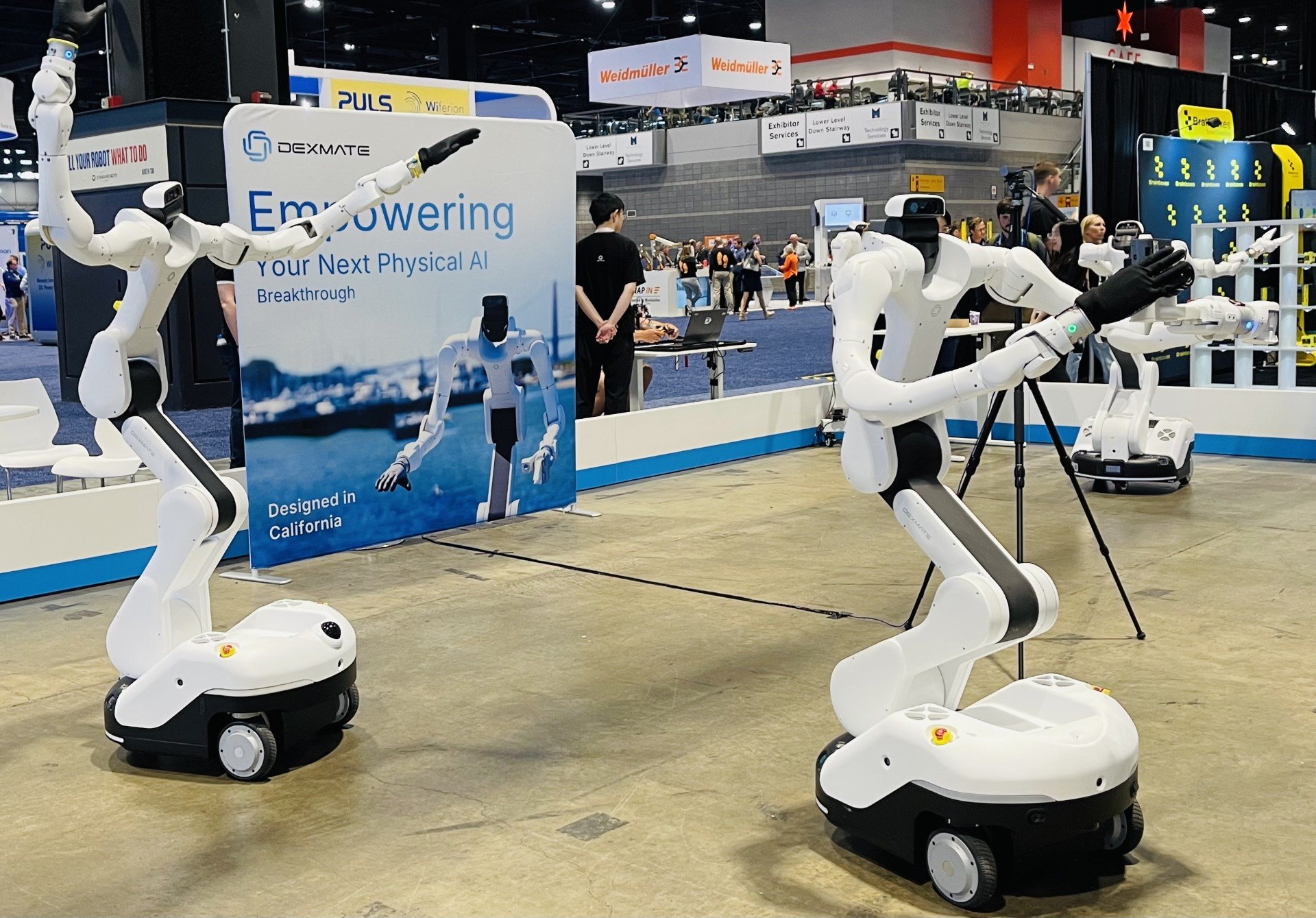
{Image Credit: Dr. Rachel J.C. Fu} Robots and Physical AI
