
Dr. Rachel J.C. Fu, Chair and Professor of Dept. of Tourism, Hospitality and Event | Director of the Eric Friedheim Tourism Institute at the University of Florida
“WELCOME isn’t a slogan. It’s a discipline. It requires training, servant leadership, and emotional intelligence, supported by automation not replaced by it.” – by Dr. Rachel Fu
We live in a moment where robots greet guests, algorithms price rooms, and automation promises “frictionless” everything. Cool? Absolutely. Enough? Not even close. Real hospitality has never been about frictionless. It’s been about feeling seen.
Technology can scale service, but it cannot care. That’s where hospitality education earns its keep. The future of customer service isn’t human or machine. It’s human plus machine, grounded in servant leadership, emotional intelligence, and thoughtful manners, and amplified (not erased) by automation.
Service Is Not a Task. It’s a Relationship.
At its core, hospitality is an act of service rooted in dignity and respect. Servant leadership flips the script from “How do I manage?” to “How do I help?” It asks future leaders to put ego on the shelf and curiosity front and center. When leaders model service-first behavior, it cascades into teams, into guest interactions, into culture.
Reading a room. Sensing stress before it becomes a complaint. Knowing when silence is more powerful than a script. These are human skills, sharpened through education, practice, and proper training. You don’t wake up emotionally intelligent. You’re coached into it.
Robots can deliver towels. They can’t deliver reassurance.
Manners Still Matter
Thoughtful manners aren’t old-school; they’re timeless. Eye contact. Tone. Timing. Knowing when to step in and when to step back. No passive aggression. No aggressive pleasantness. Hospitality education teaches students that details are never “small” to the person experiencing them. A forgotten name, a rushed response, or a dismissive gesture can undo a million-dollar technology investment in seconds.
Automation manage repetitive tasks so humans can focus on meaningful interactions. When used effectively, technology enables staff to deepen personal connections rather than retreat behind screens.
The Myth of Replacement vs. the Reality of Integration
Automation delivers speed, consistency, and insight. Humans deliver empathy, judgment, and trust. The real advantage emerges when hospitality professionals are trained to use intelligent systems to personalize service without losing authenticity.
Automation isn’t the risk. Untrained humans hiding behind it are.
WELCOME: The Seven Love Languages of Service
Guests don’t remember your software update. Your guests remember how you made them feel.
Warm Recognition
This is more than a name on a screen. It’s remembering preferences, honoring repeat visits, and acknowledging the person, not the transaction. Warm recognition says: “We see you. You matter here.” Automation can store data and humans turn data into dignity.
Empathic Presence
Empathic presence means listening without rushing, responding without defensiveness, and being emotionally available when it counts. No robot can replace genuine human awareness.
Listening with Intention
Hearing is passive. Listening is leadership. This language is about catching what’s said and what’s unsaid including frustration, excitement, and/or hesitation. Trained teams don’t just react, they understand.
Careful Craftsmanship
Excellence lives in the details. Clean rooms. Accurate orders. Seamless transitions. Careful craftsmanship is love expressed through consistency. It’s the discipline to do things right even when no one is watching. Quality is never accidental. It’s trained.
Ownership with Grace
Mistakes happen. What matters is who owns them. Ownership with grace means empowered employees who fix issues quickly, sincerely, and without excuses. Just accountability with humanity.
Mindful Anticipation
This is proactive service informed by insight and intuition. Using data, experience, and emotional intelligence to meet needs before guests ask without crossing into intrusion. Technology helps predict. Humans decide how to deliver with tact and respect.
Elevated Generosity
A handwritten note. A thoughtful upgrade. A small gesture that says, “We care beyond policy.” Elevated generosity turns ordinary moments into emotional connections and emotional connections into long-term loyalty. These languages cannot be automated. They can be supported, measured, and enhanced. Robots can optimize service. Only humans can mean it.
Hospitality Education Is the Differentiator
Hospitality education is where this integration becomes intentional. Where future leaders learn ethics alongside analytics, empathy alongside engineering. Where students are trained not just to operate systems, but to steward experiences.
The institutions that get this right will produce graduates who can lead teams, leverage technology responsibly, and still look a guest in the eye and mean it when they say, “WELCOME.”
If hospitality loses its humanity, it loses its soul and eventually, its customers. The brands that will win aren’t the most automated; they’re the most attuned. High tech without high touch is just efficient indifference.
Train people well. Lead with service. Use robots wisely. Loyalty is not earned by code alone it’s sustained by care. That’s the future.
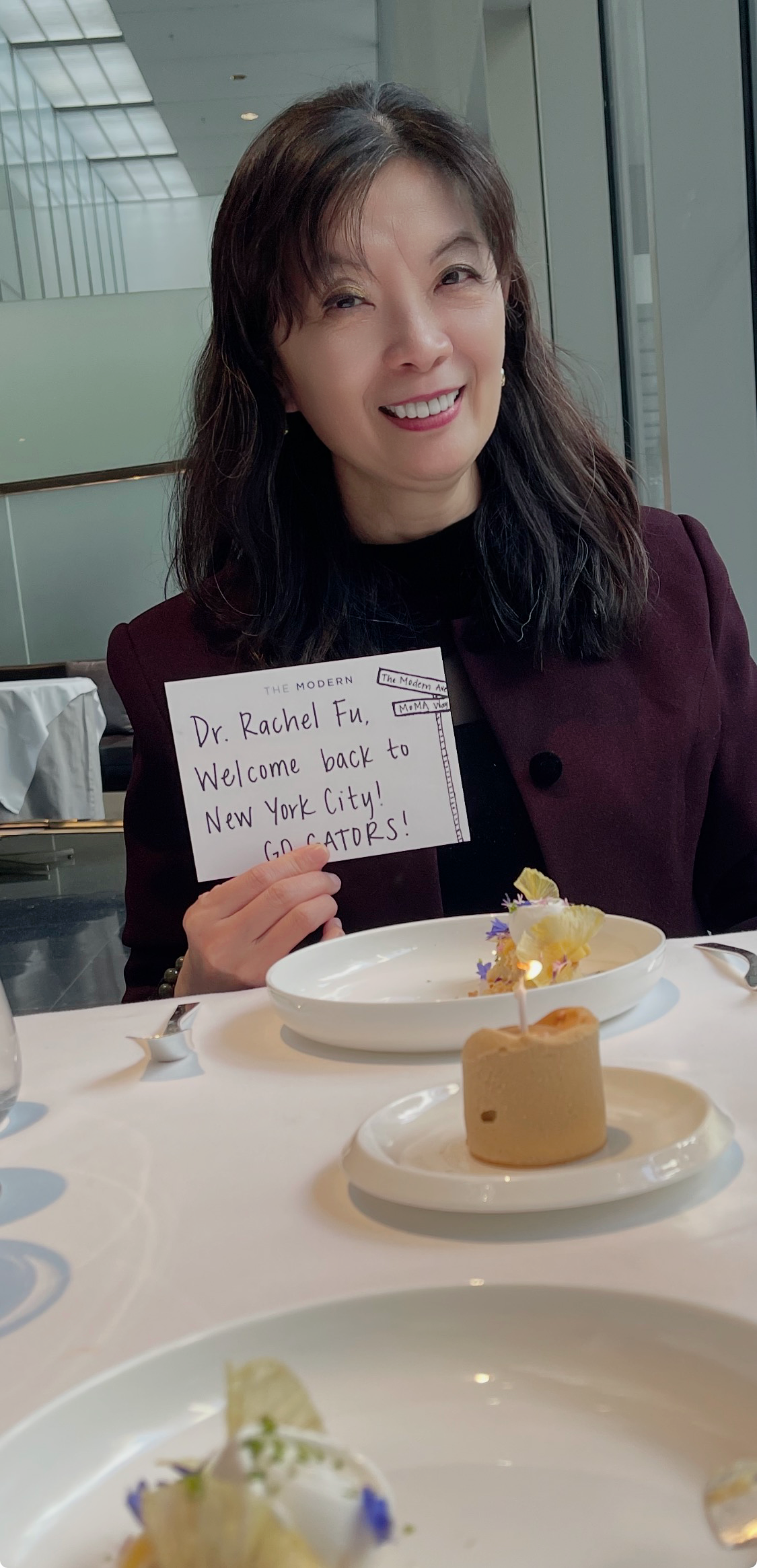
Customer Service at the Modern in NYC. {Image Credit: K. Fu}
