
Dr. Rachel J.C. Fu, Chair & Professor of Dept. of Tourism, Hospitality and Event | Director of the Eric Friedheim Tourism Institute at the University of Florida
“Win-or-Loss. Enjoy the quality of your visit when you are able. That’s real Sport Tourism. That’s how you turn any game day into a win for your well-being.” - Dr. R. Fu
The final buzzer sounds. The scoreboard says what it says. No spin, no sugarcoating. Sometimes your team takes the L. If you were in the stands for an NCAA Florida game on Sunday the 22nd, you felt it: that hollow dip in the chest, the quiet walk out of the stadium, the replay loop in your head. It’s part of sport. Always has been.
But here’s the move most people miss: the game doesn’t have to define the day. In fact, it can be the starting line for something better. Your own Sport Tourism experience. Win-or-Loss, you still traveled, you still showed up, and you still have a destination full of culture, food, nature, and people. That’s not a consolation prize; that’s an opportunity. The best fans and the healthiest teams know how to reset, reframe, and keep moving.
This editorial insight offers a practical playbook for locals, visitors, students, and faculty supporters to recover emotionally after a loss and turn game day into a high-quality visit when time and budget allow.
Think of it as a post-game strategy for your well-being.
The Reality Check: Losses Are Part of the Game
Traditional fan culture treats a loss like a full stop. Head down, go home, try again next week. But that’s outdated thinking. Modern Sport Tourism recognizes that the fan journey is bigger than the final score. Travel, shared rituals, campus pride, local discovery. These are all parts of the experience. If you only “enjoy” the day when your team wins, you’re leaving most of the value on the table. Flip the mindset: treat every game trip as a dual-purpose event. Competition and exploration. The result? Better emotional resilience, stronger social bonds, and a healthier relationship with sport.
Emotional Reset. Right After the Game.
Emotions run high. Ignoring them doesn’t work. Managing them does.
Name the feeling. Say it plainly: disappointed, frustrated, even embarrassed. Labeling the emotion takes the edge off and gives you control.
Avoid the blame spiral. It’s easy to point fingers: refs, coaches, one bad play. That spiral drains energy and doesn’t change the outcome. Keep it short: “Tough one. We’ll learn.”
Regulate your body first. Walk. Hydrate. Breathe. Your nervous system needs a reset before your mindset can follow.
Lean on your group. You didn’t come alone. A quick regroup. “Food first, debrief later” can shift the vibe from heavy to human.
Set a micro-plan. Within 10 minutes of leaving the stadium, decide the next step: coffee spot, river walk, city tour. Momentum beats rumination.
Activate Your Sport Tourism Mode
Once you’ve stabilized, it’s time to pivot. You’re in a place—use it.
Local Food as Cultural Recovery. Nothing resets a mood like a good meal. Pick a local favorite. Something authentic, not just convenient. Shared meals convert disappointment into connection.
Nature as a Reset Button. For example, when you’re in Gainesville, you’ve got springs, trails, and shaded green spaces. A 30–60 minute nature break lowers stress and clears the mental clutter.
Micro-Events and Street Life. Check for pop-up markets, live music, or community events. These small experiences often become the highlight of the trip.
Reflective Pause. Give yourself 10 minutes to write or talk about the day not just the loss, but what you experienced. Capture the full story.
Win-or-Loss—Redefine “Quality of Visit”
A high-quality visit isn’t defined by the scoreboard; it’s defined by what you did with your time. Ask three simple questions:
Did I connect with people?
Did I experience something local?
Did I take care of my well-being?
Practical Strategies for Students and Faculty
For Students
Budget Smart: Pre-plan a low-cost itinerary. For example, one paid activity, one free activity, one food stop.
Group Travel: Share rides, split meals, reduce cost pressure.
Social Reset: Turn the loss into a group story—memes, photos, inside jokes. You’ll remember that more than the score.
For Faculty
Model Composure: Students watch how you handle disappointment. Keep it steady.
Create Learning Moments: Link the experience to resilience, teamwork, or leadership.
Encourage Exploration: Suggest safe, meaningful activities post-game such as museum stops, guided walks, or campus visits.
Smart Sport Tourism Practices
Enjoyment only counts if it’s safe. Here’s a clear, no-nonsense checklist:
Crowd Awareness. Exit with patience. Avoid bottlenecks. Stick with your group.
Transportation Planning. Know your ride options before the game ends. Save routes and pickup points.
Hydration and Nutrition. Dehydration amplifies fatigue and irritability. Water first, then food.
Personal Security. Keep valuables minimal. Use cross-body bags or secure pockets.
Night Safety. If staying late, choose well-lit areas and reputable venues. Share your location with a friend.
Emergency Readiness. Have a meeting point if your group separates. Keep a charged phone and a portable battery.
Respect Local Guidelines. Follow campus and city policies especially around alcohol and crowd conduct.
Weather Preparedness. Florida weather can flip fast. Pack light rain gear or layers.
Emotional Reconstruction: Turning the L into Growth
This is where the real value is. You’re not just “getting over” a loss. You’re building skills.
Reframe the Narrative. From “We lost” to “We showed up, we learned, we experienced.” Same day, better story.
Anchor a Positive Memory. Pick one moment. A laughter, a view, a meal—and make it the headline in your mind.
Practice Gratitude. Three things: the trip, the people, the opportunity. Quick, simple, effective.
Future Focus. What’s next? Another game, another trip, another plan. Forward beats stuck.
Physical Reset. Light activity such as walking, stretching helps process stress and restore balance.
Social Reinforcement. Check in with your group the next day. Keep the connection alive beyond the game.
The Bigger Picture: Why This Matters
Sport is emotional by design. That’s why we love it. But unmanaged emotion can turn a great day into a wasted one. Sport Tourism offers a structured way to keep the experience whole competition plus culture, passion plus perspective. When locals, visitors, students, and faculty learn to navigate Win-or-Loss with intention, they build resilience that carries into offices, classrooms, research, and leadership. They also become better ambassadors for their institutions people who engage with places respectfully, safely, and meaningfully.
Play the Full Day
The scoreboard is one chapter, not the whole book. You showed up. You traveled. You invested your time and energy. Don’t let a single result decide the value of your day.
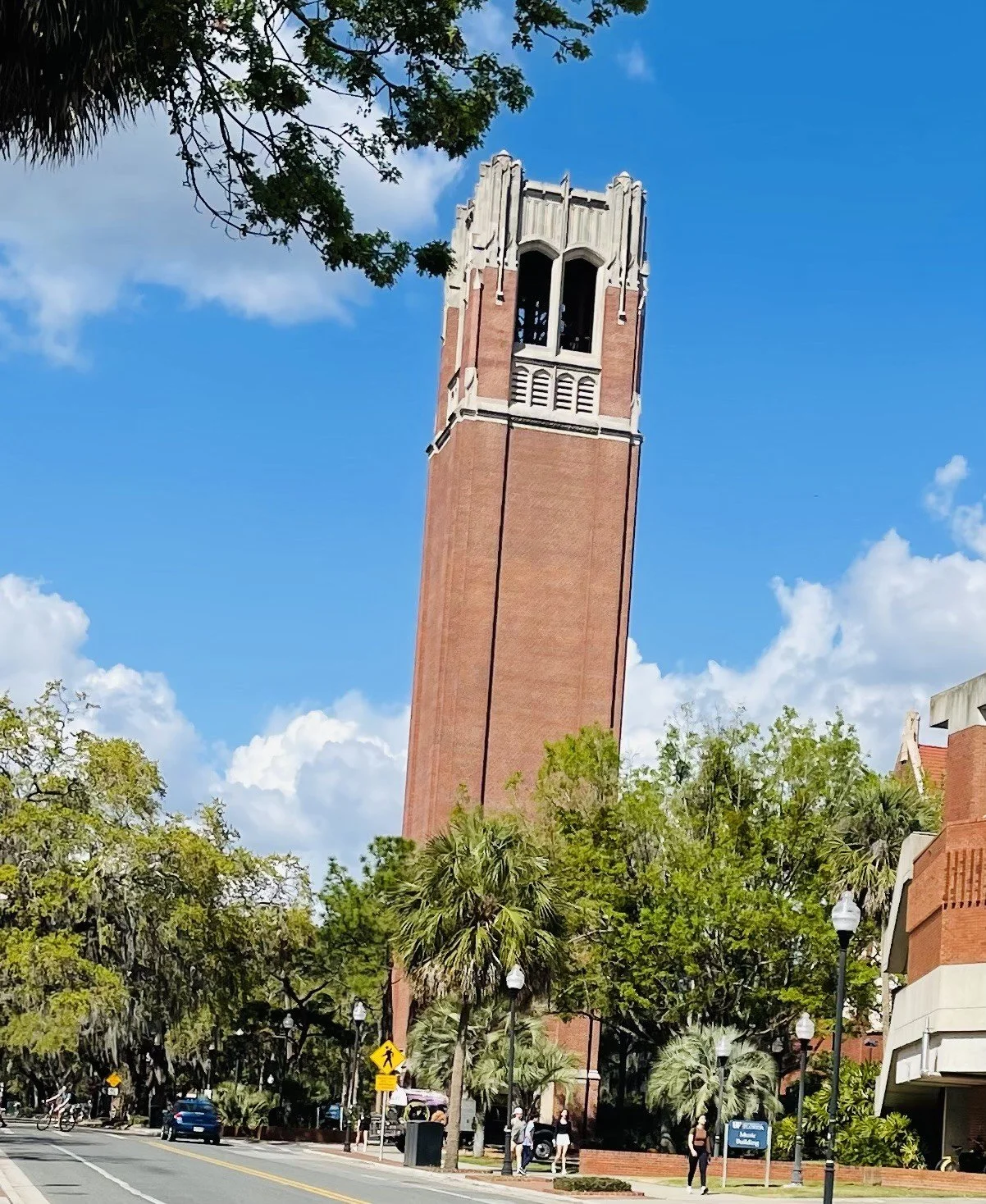
{Image Credit: Dr. Rachel J.C. Fu @UF Century Tower}
