
Dr. Rachel J.C. Fu, Chair & Professor of Dept. of Tourism, Hospitality and Event | Director of the Eric Friedheim Tourism Institute at the University of Florida
“Heritage tourism transforms destinations into living classrooms where history becomes emotional, educational, and personal.” – by Dr. R. Fu
Why Heritage Tourism Matters
Heritage tourism remains one of the most powerful forces shaping the identity, economy, and cultural continuity of world destinations. Heritage tourism connects travelers to the stories, traditions, memories, architecture, and humanity of a place. It allows destinations to preserve their past while creating sustainable opportunities for future generations. Around the world, cities such as Paris, Prague, Budapest, and Tainan demonstrate how heritage tourism can strengthen economic development, cultural pride, education, diplomacy, and community identity. These global models provide valuable examples for St. Augustine, one of the most historically significant destinations in the United States.
Travelers increasingly seek authenticity and meaning rather than passive consumption. Visitors want to walk through centuries-old streets, hear local stories, experience traditional cuisine, and understand the historical forces that shaped civilizations. Heritage tourism creates bridges among cultures, generations, and communities. When managed responsibly, heritage tourism becomes far more than an economic activity; it becomes a foundation for humanity, respect, and long-term sustainability.
Paris: Heritage Tourism as National Identity and Global Influence
Paris stands as one of the world’s strongest examples of successful heritage tourism. The city has preserved its historic architecture, museums, cathedrals, and artistic identity while remaining globally competitive and economically vibrant. Landmarks such as the Eiffel Tower, the Louvre Museum, and Notre-Dame Cathedral are not simply attractions; they are symbols of national identity and cultural memory.
Paris demonstrates how political leadership, cultural investment, and strategic public relations contribute directly to heritage tourism success. French leaders historically recognized culture as a national asset worthy of protection and global promotion. Investments in transportation systems, restoration projects, museums, and arts education strengthened both tourism and civic pride. Paris integrates humanity and accessibility into its tourism model. Public museums, educational programs, multilingual interpretation, and preservation laws ensure that cultural heritage remains accessible to residents and visitors alike.
Prague: Protecting Authenticity in a Modern Tourism Economy
Following political and economic transformation, Prague revitalized its historic districts while preserving its authentic medieval identity. Gothic churches, cobblestone streets, and historic public squares now attract millions of international visitors annually. Prague’s success illustrates a critical principle in heritage tourism: authenticity matters.
Visitors increasingly recognize when destinations become overly commercialized or disconnected from their historical identity. Prague resisted excessive modernization that could erase its character. Instead, the city balanced preservation with modern tourism infrastructure, allowing history to remain visible and meaningful. Political collaboration among government agencies, preservation experts, tourism organizations, and local businesses played a significant role in Prague’s success. Public relations campaigns strategically positioned Prague not merely as an affordable destination, but as a center of European culture, intellect, and history. This long-term branding approach elevated the city’s international reputation and economic sustainability.
Budapest: Heritage Tourism, Memory, and Urban Resilience
Budapest provides another powerful model by demonstrating how heritage tourism can support resilience, healing, and national storytelling. The city’s castles, parliament buildings, thermal baths, and riverfront districts reflect centuries of political transition, war, revolution, and recovery.
Rather than avoiding difficult historical narratives, Budapest embraces them thoughtfully. Heritage tourism becomes a tool for remembrance and education. Visitors engage not only with architecture but also with the deeper human experiences connected to those places.
Budapest highlights the importance of integrating sustainability into preservation strategies. Restoration projects, adaptive reuse of historic buildings, and environmental protections along the Danube River support tourism while preserving urban quality of life. Political leaders increasingly recognize that preservation is not an expense but a long-term investment in economic vitality, civic identity, and international influence.
Tainan, Taiwan: Community-Centered Heritage Tourism
Outside Europe, Tainan offers an especially meaningful example of community-driven heritage tourism. As Taiwan’s oldest city, Tainan protects traditional neighborhoods, indigenous heritage, local culinary traditions, and historical architecture influenced by multiple cultures.
Unlike many rapidly modernizing cities, Tainan emphasizes authenticity and local participation. Residents actively engage in festivals, storytelling, preservation efforts, and cultural entrepreneurship. Heritage tourism therefore becomes community-centered rather than externally imposed.
Tainan demonstrates the value of educational tourism and cultural sustainability. Schools, museums, and cultural organizations help younger generations understand the importance of preservation and respect for local identity. At the same time, the city successfully integrates digital storytelling, tourism technology, and sustainable planning without sacrificing historical authenticity.
St. Augustine, Florida: America’s Heritage Tourism Opportunity
St. Augustine possesses extraordinary potential to become one of the world’s leading heritage tourism destinations. Founded in 1565, it is recognized as the oldest continuously occupied European-established settlement in the continental United States. Its Spanish colonial architecture, forts, religious landmarks, museums, archaeological sites, and cultural traditions create a remarkable historical foundation.
“The future success of St. Augustine depends not only on preserving buildings but also on preserving meaning. Heritage tourism must tell stories that connect visitors emotionally and intellectually to the destination.”
One major opportunity involves expanding international partnerships and political connections with other historic world cities. Sister-city agreements, academic collaborations, cultural exchange programs, and joint tourism initiatives with destinations such as Paris, Prague, Budapest, and Tainan could strengthen global visibility and diplomacy. Political relationships are critical because preservation efforts often depend on funding support, infrastructure investment, and policy coordination.
Sustainable Education and Public Relations as Strategic Tools
Heritage tourism should never be viewed solely as entertainment. Educational institutions, museums, and research organizations can transform destinations into centers for sustainable learning. Universities and schools can collaborate to develop immersive educational experiences focused on architecture, archaeology, sustainability, history, and cultural diplomacy.
Educational tourism attracts visitors seeking deeper engagement and intellectual enrichment. These visitors often contribute greater long-term economic value while supporting preservation initiatives and community respect.
At the same time, strong public relations strategies are essential. Many destinations fail to maximize their heritage potential because they struggle to communicate their stories effectively. Modern tourism marketing must emphasize emotional connection, authenticity, resilience, and humanity rather than relying only on visual attractions. Travelers increasingly seek destinations that reflect purpose and meaning.
Humanity, Respect, and Community Engagement
Humanity and respect must remain central principles in heritage tourism planning. Historic sites represent real communities, identities, and lived experiences. Effective tourism development therefore requires collaboration with residents, historians, indigenous communities, preservation experts, and cultural leaders.
“When tourism becomes disconnected from local voices, authenticity declines.”
Respectful storytelling and inclusive interpretation strengthen destination credibility while preserving community dignity. Heritage tourism creates opportunities for cross-cultural understanding. It encourages visitors to reflect on history, resilience, and shared humanity. In this complicated world, heritage tourism can serve as a powerful force for dialogue and cultural connection.
Preservation, Reservation, and Long-Term Sustainability
Historic preservation requires long-term commitment, strategic planning, and sustainable investment. Rising tourism demand places pressure on fragile buildings, historic districts, and cultural landscapes. Destinations must therefore balance accessibility with protection.
St. Augustine can continue strengthening preservation efforts through visitor management systems, pedestrian-friendly planning, conservation funding, adaptive reuse strategies, and digital reservation technologies that help reduce overcrowding. Sustainable transportation systems and climate resilience planning are equally important, especially for coastal heritage destinations vulnerable to hurricanes, flooding, and sea-level rise.
Protecting heritage means protecting both culture and environment simultaneously. Preservation should not focus only on the past but also on ensuring that future generations can experience these places meaningfully and responsibly.
Heritage Tourism as a Global Investment in Humanity
For St. Augustine, the opportunity is extraordinary. By embracing sustainable preservation, global partnerships, educational leadership, respectful storytelling, and long-term planning, the city can emerge as a global model for heritage tourism in the twenty-first century. The past is not a limitation. When protected wisely, it becomes one of the strongest foundations for a destination’s future.
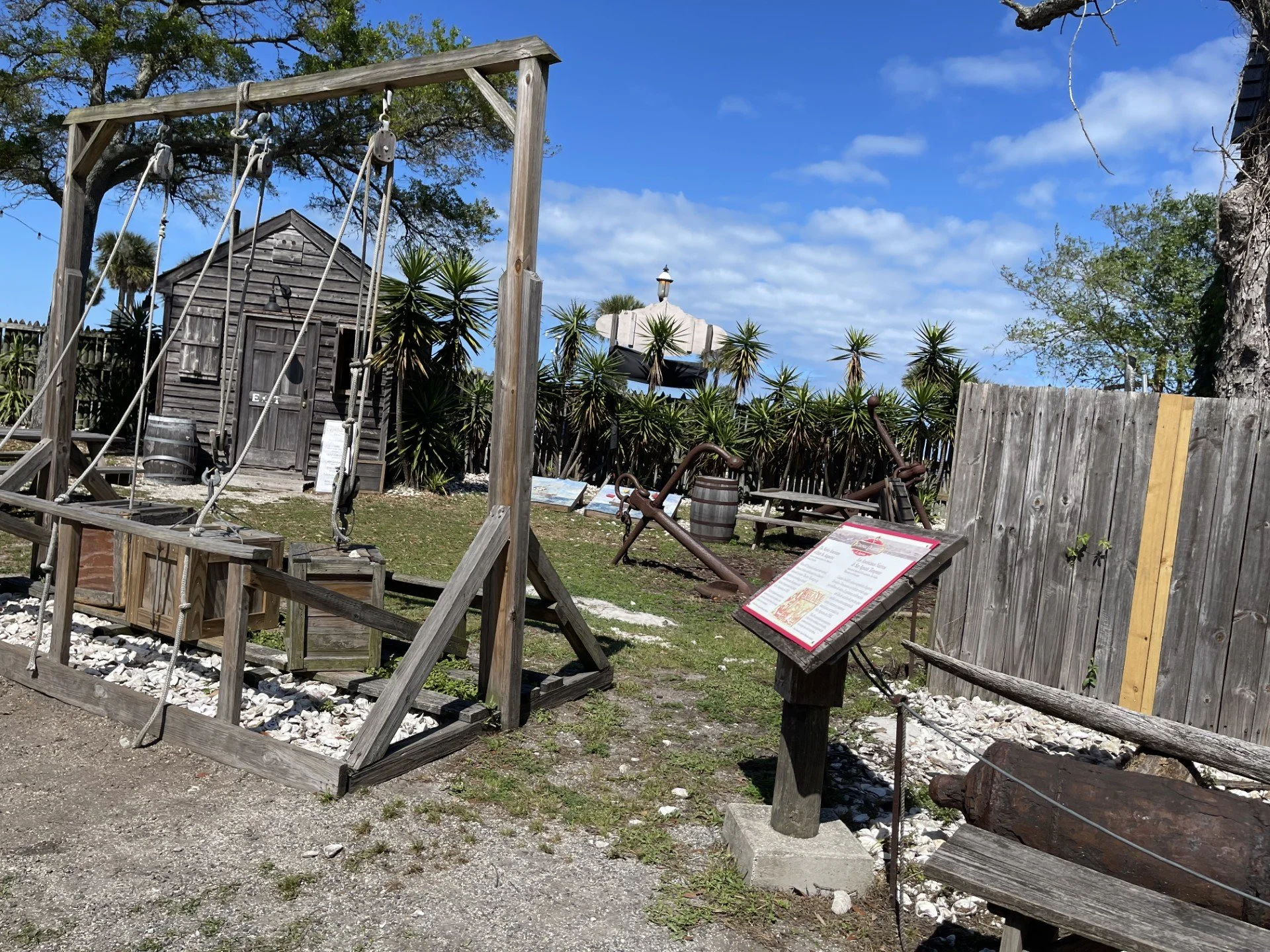
{Image Credit: Dr. Rachel J.C. Fu} The St. Augustine Colonial Experience
